Timeline
A timeline of Gjakova
Centuries of trade, faith, fire and revival, told as a single thread.
-
1485
Ottoman
A market on the plain
The town’s earliest written trace is an accountant’s: an Ottoman defter — a tax register — of 1485, which lists “the village of Đakovica,” some sixty-odd households, in the nahiya of Altun-ili within the sanjak of Shkodër. One hearth is recorded as belonging to “Vukašin’s son, the priest” — a reminder that this was a small Christian farming village before it was a Muslim market town.
Already it sits on the caravan road running from Shkodër toward Istanbul, and already it keeps a market. Tradition derives the name Jakova from a landowner, Jak Vula — “Jak’s field” — and a fond local legend even claims the ground beneath the future town was sold for “two buffalo hides.” The chartered town would come a century later; the market came first.
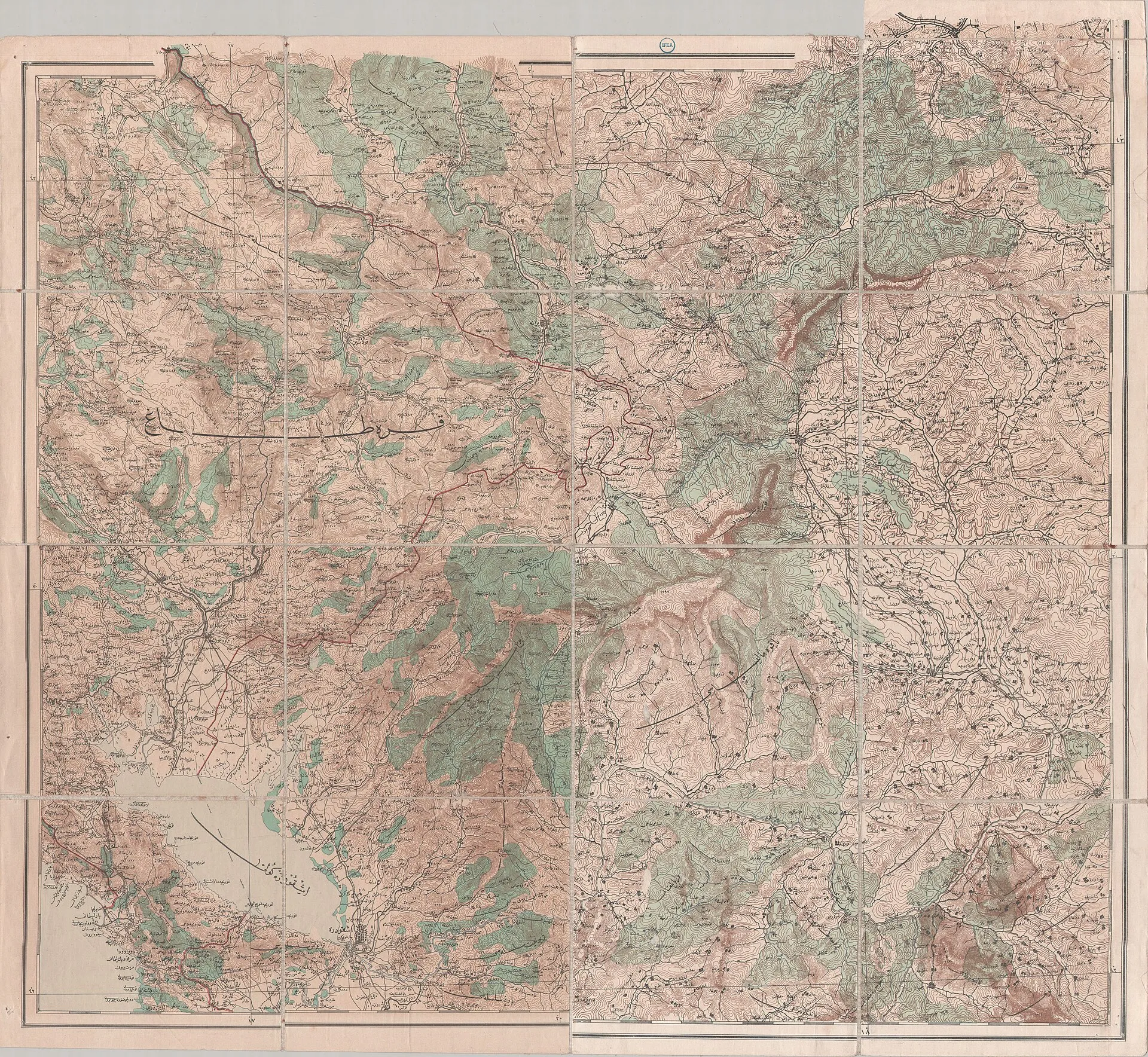
Yakova (Gjakova) named on a map of the region, around 1900. Wikimedia CommonsPublic domain -
1594–95
Ottoman
The Hadum Mosque, and a city around it
In 1003 AH — 1594–95 — Gjakova is raised to the rank of kasaba, a market town. The man who makes it one is Hadum Sylejman Aga (Hadım Süleyman Ağa Bizebân, “the mute”), a court official born a Christian boy in the nearby village of Guska, taken into the devshirme, and risen to the household of Sultan Murad III. He endows a vakëf — a charitable foundation — that plants a mosque, a college, a library, a school, a timekeeper’s room, a bathhouse, an inn and a row of shops on the open plain in a single stroke. The bazaar grows up around them; the town follows.
The Hadum Mosque is its centrepiece, and, unusually for the region, its interior is painted — cypresses, vases of flowers, even a small portrait of the mosque itself. A fond legend credits the great architect Mimar Sinan with the design, but Sinan had died in 1588: the attribution is affection, not record. For the next four hundred years the mosque remains the symbolic heart of the city.
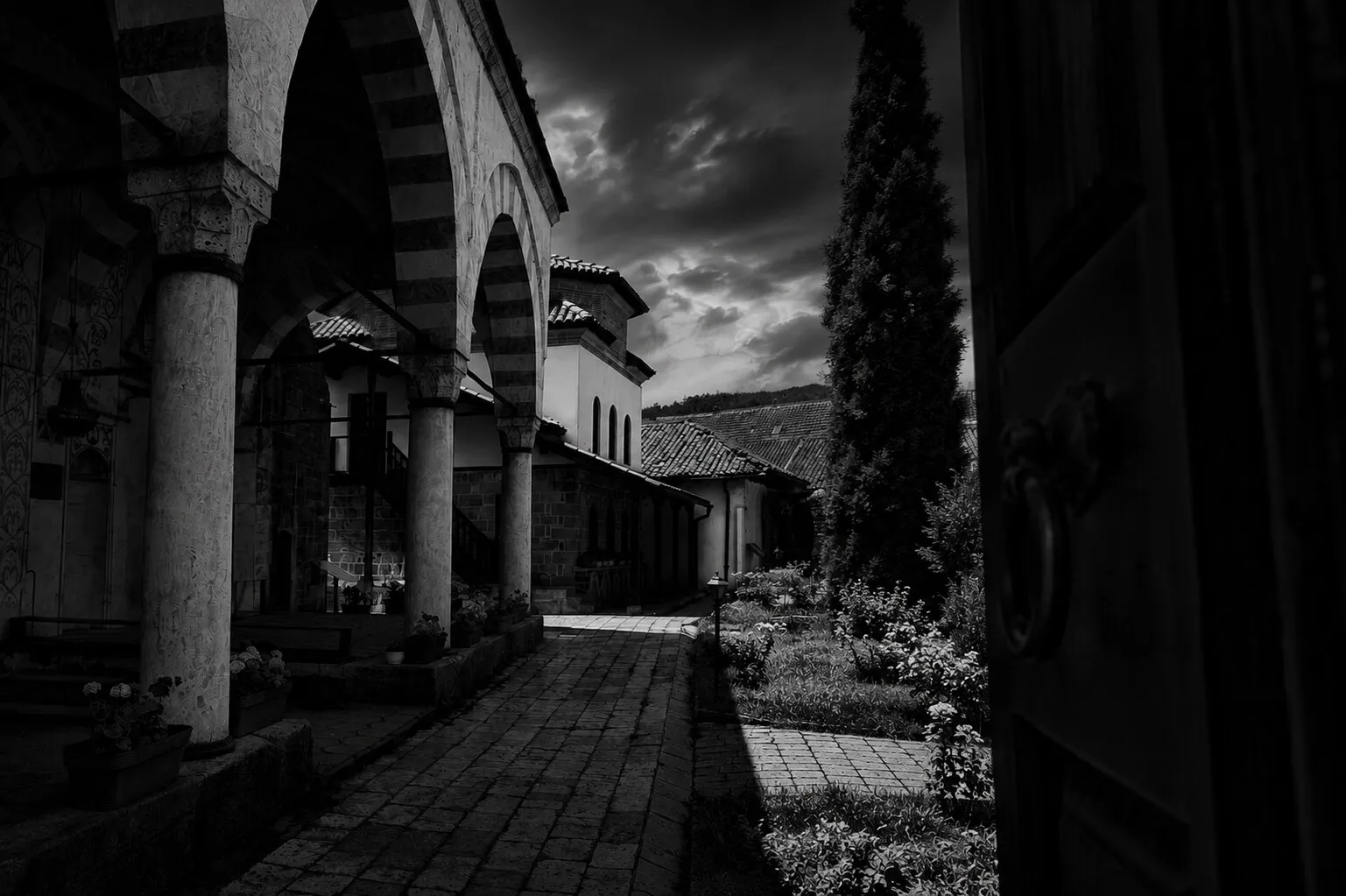
Süleyman Aga's endowment — the Hadum Mosque the bazaar grew around. @andreasson.photo -
1597
Ottoman
The clock tower marks the hours
Barely two years after the mosque, in 1597, a stone clock tower — Kulla e Sahatit — rises beside the bazaar on the open ground still known as Fusha e Sahatit, the Field of the Clock. Some thirty metres tall, with a wooden belfry and a lead-covered roof, it is raised to call the five daily prayers and to keep the market’s time.
That a young kasaba should need a public clock so soon is itself the story: money and people are pouring into the new town fast enough to want the hours measured for everyone at once. The tower will be silenced more than once in the centuries to come — its bell carried off in 1912, the tower itself destroyed in 1999 — and rebuilt each time.
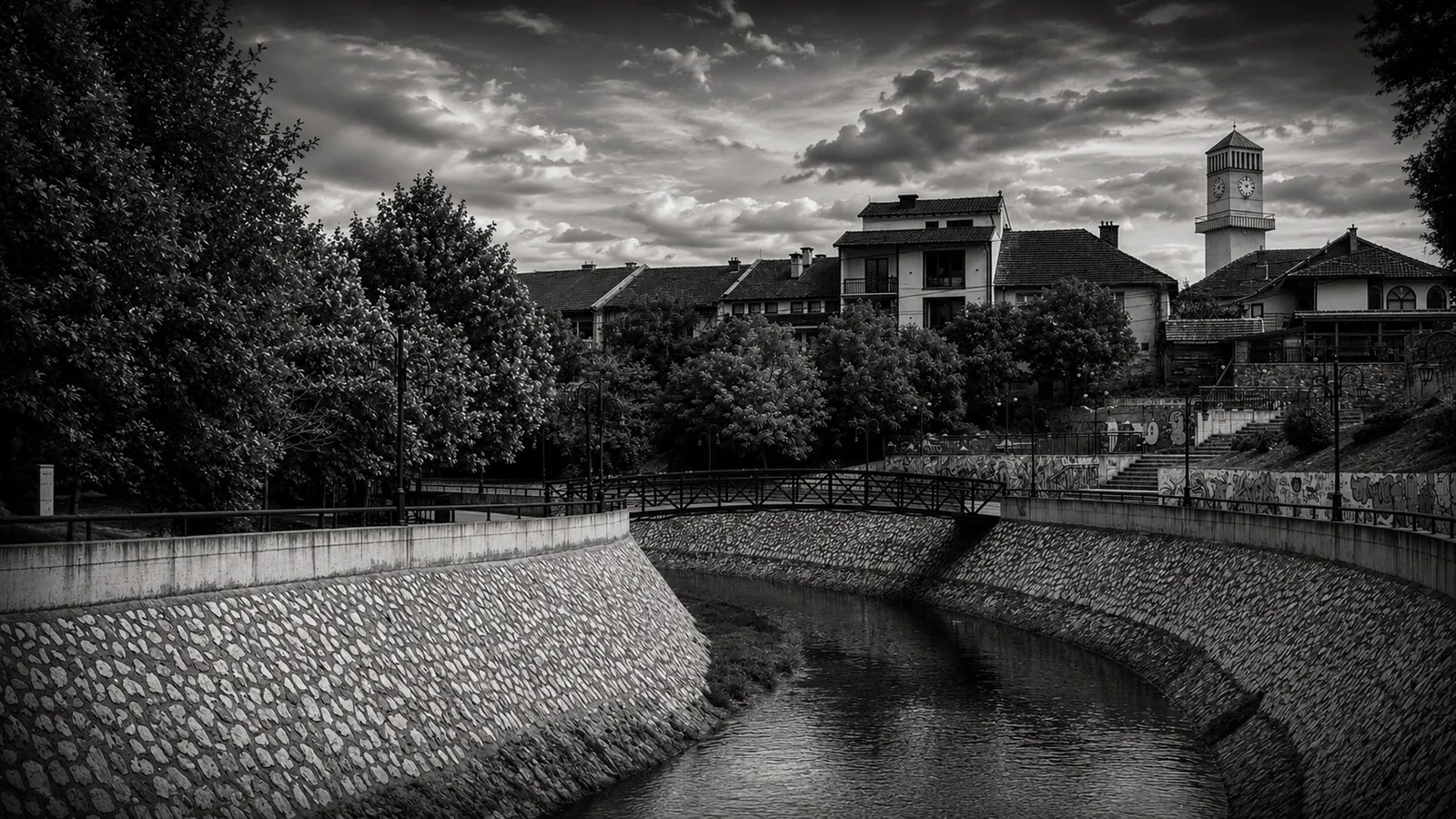
The clock tower (Sahat Kulla), rebuilt after 1999 on its 1597 site. @andreasson.photo -
1662
Ottoman
Evliya Çelebi counts the shops
When the great Ottoman traveller Evliya Çelebi passes through in 1662, Gjakova is already thriving — and he leaves the earliest eyewitness description we have. He finds a town of some two thousand stone houses set “in a vast field,” and a bazaar beyond easy counting:
… two richly adorned congregational mosques, several prayer-houses, some khans with leaden roofs, a delightful bathhouse, and about 300 shops like nightingale-nests.
— Evliya Çelebi, Seyahatnâme, 1662
In those shops, he writes, are practised “a thousand kinds of craft.” The image is his own — shops set as close and busy as nightingale-nests — and it has clung to the place ever since.
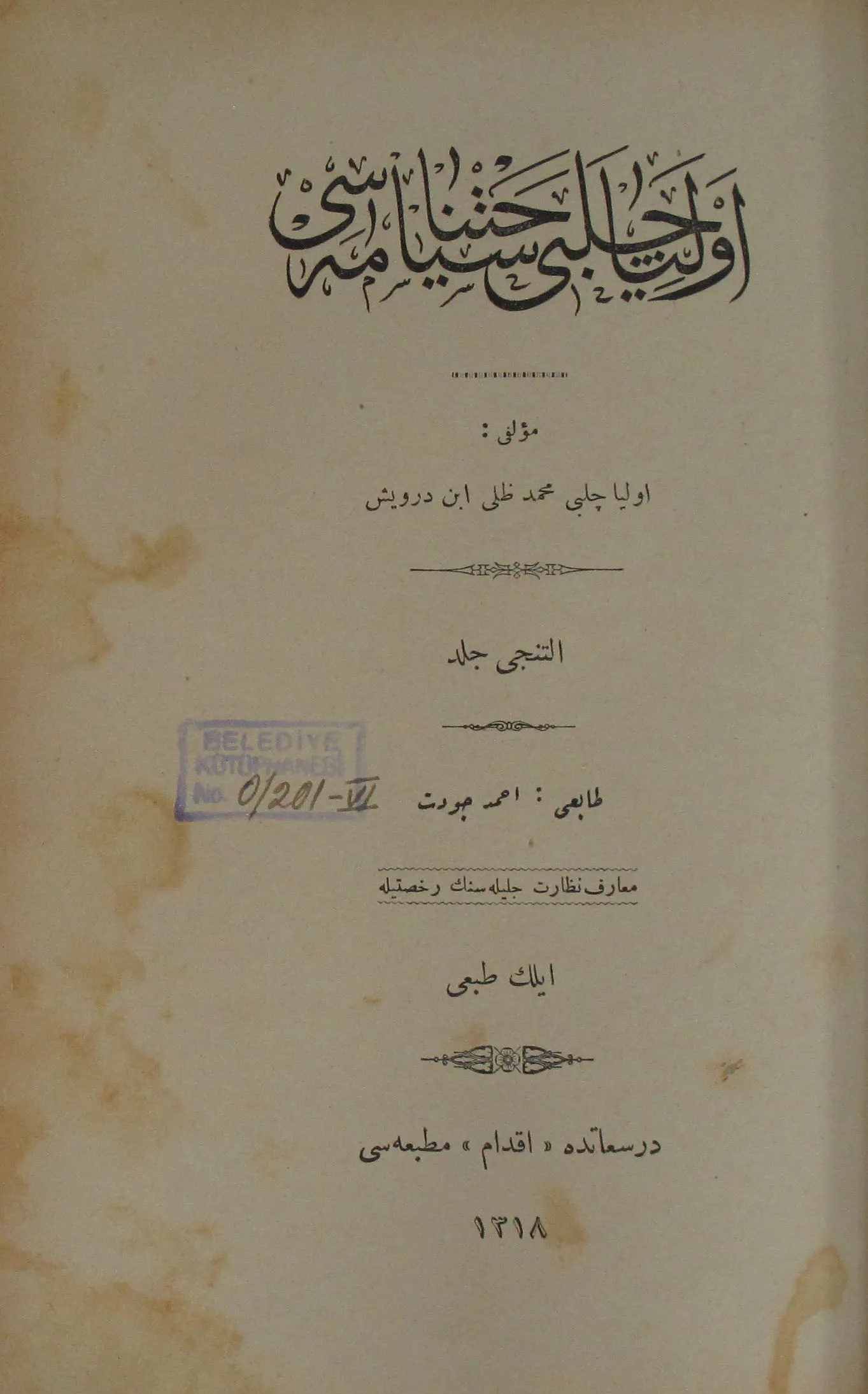
The title page of Evliya Çelebi's Seyahatnâme — his 1662 account of Yakova. Wikimedia CommonsPublic domain -
1748
Ottoman
A city of learning
By 1748 the Great Madrasa — Medreseja e Madhe — is finished in the heart of the çarshia, under its first teacher, Vejsel Efendi. For roughly two and a half centuries it is the foremost religious college in Kosovo: a school and dormitory drawing students and future imams from across the region, with its own classroom, fountain and minaret-less mosque.
Its graduates include men who will help shape the Albanian national awakening — Haxhi Zeka and Ymer Prizreni among them. And its later history will mirror the city’s own: in 1912 an occupying army stables its horses inside it, and in 1999 it burns down to a single standing wall.
-
18th century
Ottoman
A crossroads of caravans
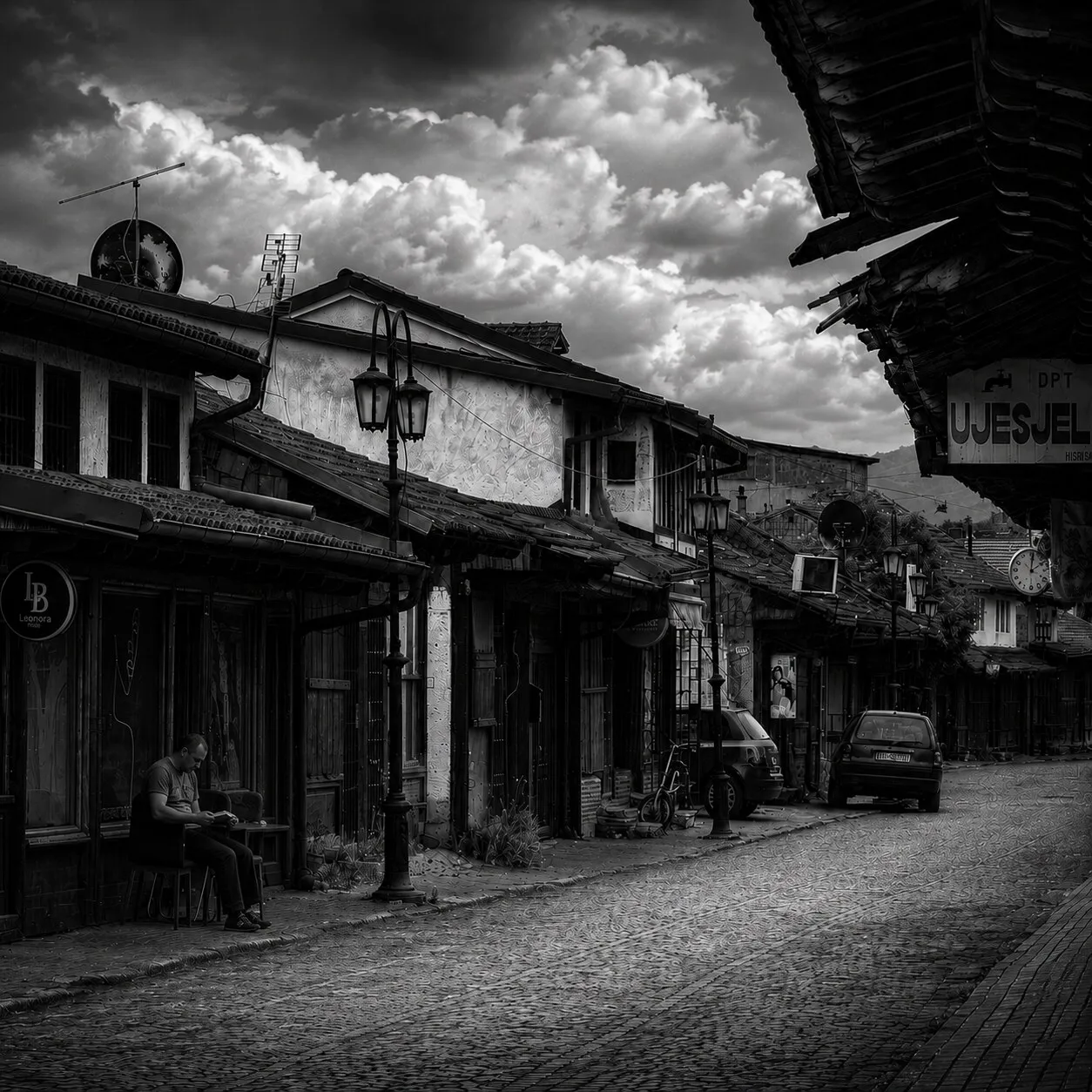
Through the eighteenth century the çarshia reaches its height: nearly a kilometre of cobbled lanes and some five hundred shops, loosely sorted by trade. Gjakova sits on the caravan road between Shkodër and Istanbul, and its esnaf — the craft guilds — make its name.
The tailors are the richest, said to hold around two hundred shops alone. The gunsmiths are famous for ornamented “Gjakova pistols,” and a master named Tush runs a workshop renowned enough to school a generation after him. Around them work filigree silversmiths, saddlers, tanners and woodcarvers, and the city’s name travels the trade roads with their goods.
The Grand Bazaar — the crafts and trade that made Gjakova's wealth. @andreasson.photo -
1878
Albanian awakening
The Action of Gjakova
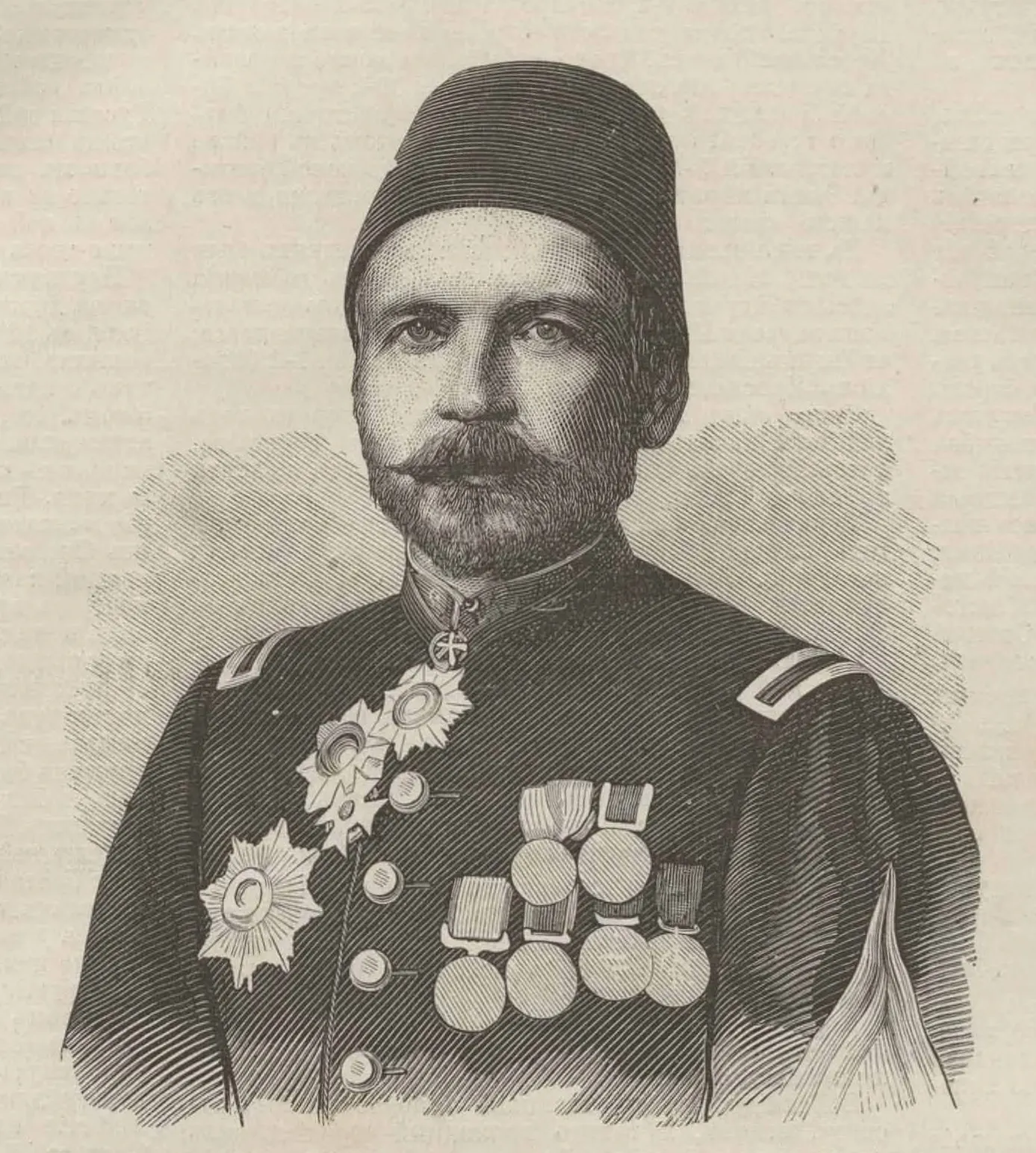
When the Congress of Berlin awards Albanian-populated districts — among them Plav and Gusinje — to Montenegro, resistance gathers in the newly formed League of Prizren, and its first armed action is fought at Gjakova. From 3–6 September 1878 the Gjakova Committee, led by Ahmet Koronica and Sulejman Vokshi, besieges the Ottoman field marshal Mehmed Ali Pasha — fresh from representing the Porte at Berlin and sent to enforce the handover — in the estate of Abdullah Pasha Dreni. By the end the marshal, his host, and some two hundred and eighty others lie dead.
Remembered as the League’s first military operation, it places Gjakova at the centre of the Rilindja, the Albanian national awakening — and its echo carries far beyond the town. The resistance it ignites helps force a revision of the Berlin settlement: the planned handover of Plav and Gusinje to Montenegro is ultimately undone. That the action’s leaders had studied in the city’s own madrasas was no coincidence — the town had been building toward this for a century.
Mehmed Ali Pasha, the marshal besieged and killed at Gjakova in 1878 (engraving, 1877). Wikimedia CommonsPublic domain -
1912
Balkan Wars
The empire recedes
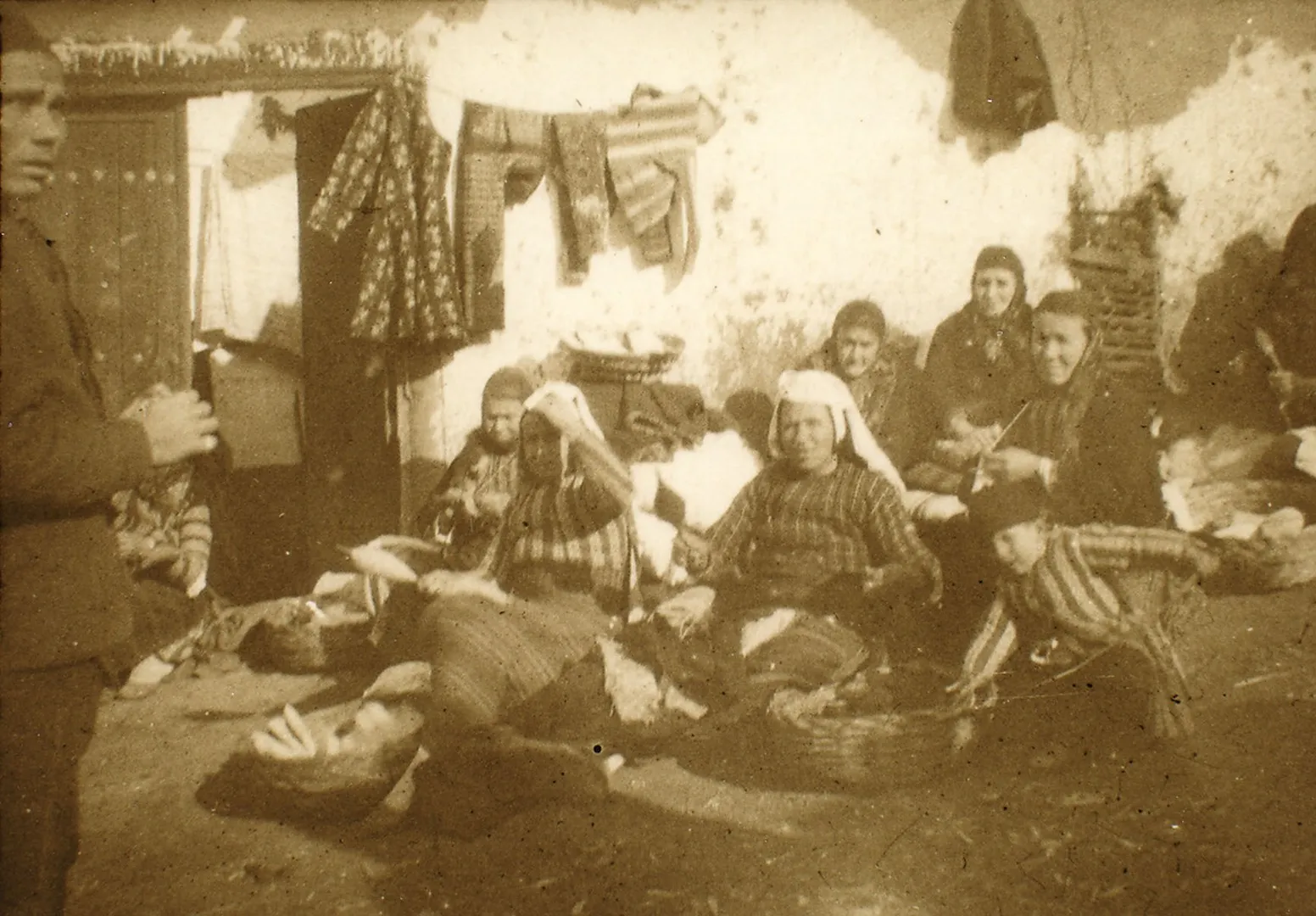
In the autumn of 1912, in the First Balkan War, Ottoman rule over Gjakova ends after more than three centuries. The handover is harsh, and it leaves its marks on the old town: the clock tower that had kept the city’s time since 1597 is silenced and its bell carried north into Montenegro, and the Great Madrasa is turned into a cavalry stable.
A city built and enriched under one empire now finds itself on the far edge of a new map. It is the first of several twentieth-century ruptures the old centre will have to absorb — and not the last to test whether it can hold its shape.
Women from the Gjakova highlands, displaced in 1913 — photographed by Franz Nopcsa. Wikimedia CommonsPublic domain -
1942
20th century
A city of mosques
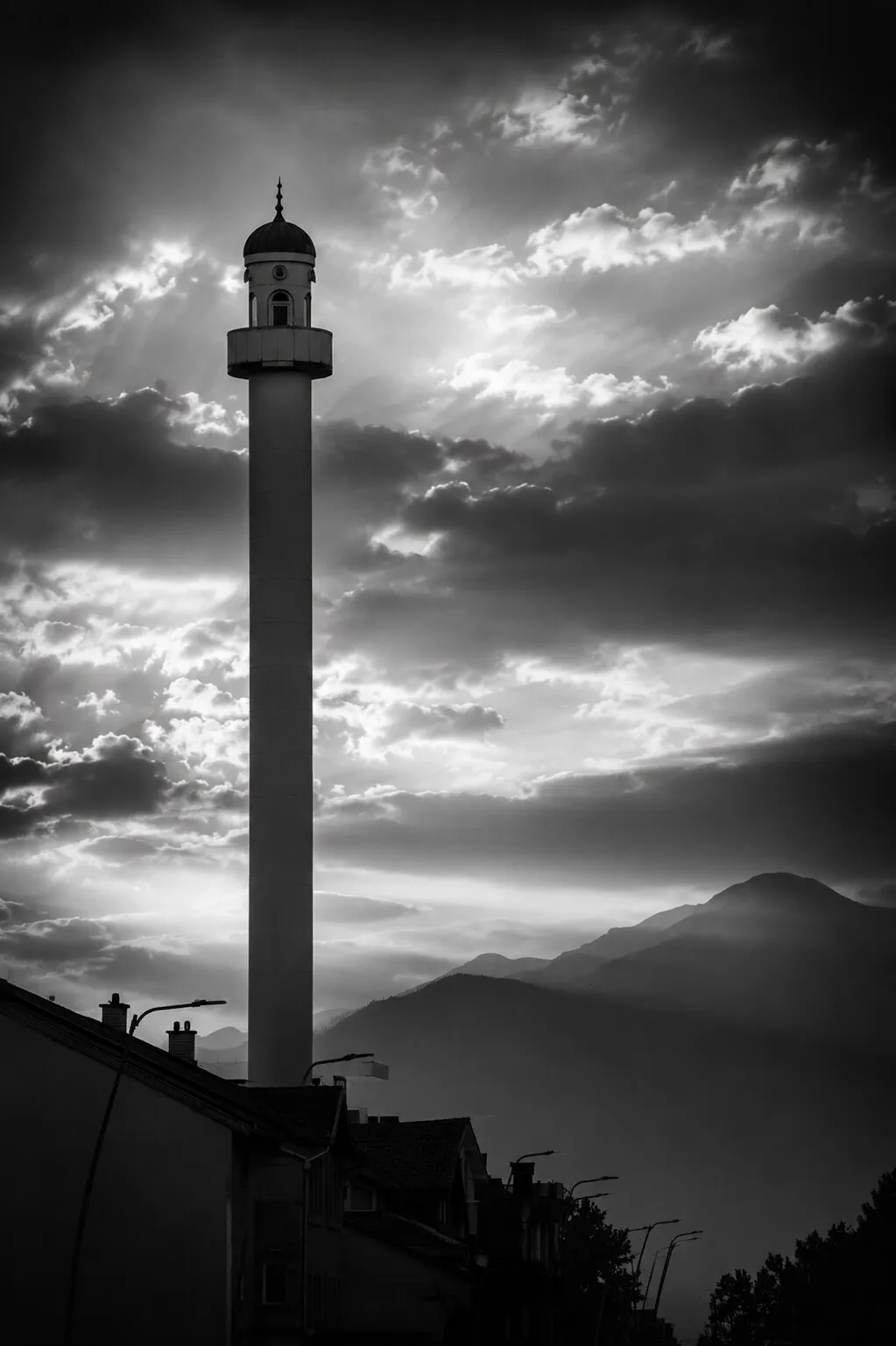
For all its upheavals, Gjakova carries its old character deep into the twentieth century: a city of faith. A 1942 count records around thirty-nine mosques and fourteen tekkes — dervish lodges — belonging to six different mystical orders, in a town of some thirty-five thousand people. Among them are houses of the Saadi, Rifai and Bektashi orders; the Great Tekke (Teqja e Madhe), a Saadi lodge, is the best known of all. Few places in the Balkans were so thickly woven with prayer-houses and Sufi lodges; for centuries the call to prayer had set the rhythm of the bazaar below.
But the fabric is about to be tested. Within a few years the religious schools are closed under the new socialist state, and the centuries-old institutions of learning begin to thin. The orders fare worse still across the border: when Communist Albania bans religion outright in 1967 and razes its tekkes, the worldwide Bektashi order nearly vanishes — for a time its survival runs through just two working lodges, one here in Gjakova and the other in a suburb of Detroit. The deepest wound of all, though, is still to come.
A minaret over the old town — Gjakova's many mosques, counted in 1942. @andreasson.photo -
March 1999
Kosovo War
The Old Bazaar burns
On 24 March 1999, the night the war reaches Gjakova, Serbian forces set the Çarshia e Madhe alight. By the time the flames die, 431 of the bazaar’s roughly 525 buildings are gone, along with much of the old quarter around them. The first to die are neighbours who run in to fight the fire.
The Hadum complex burns with the rest: the mosque’s wooden portico and its school go up, the minaret is shot from its base, and the library — endowed in 1595 — is destroyed. Lost with it are some 1,300 rare books and 200 manuscripts in Arabic, Ottoman Turkish and Aljamiado (Albanian written in Arabic script), among them a unique Albanian Mevlud and community records reaching back to the seventeenth century. What the fire begins, a botched “restoration” finishes the next year, when the ruined library and school are cleared away for good. It is the deepest wound in the city’s memory — and the thing the next decade will set itself to undo.
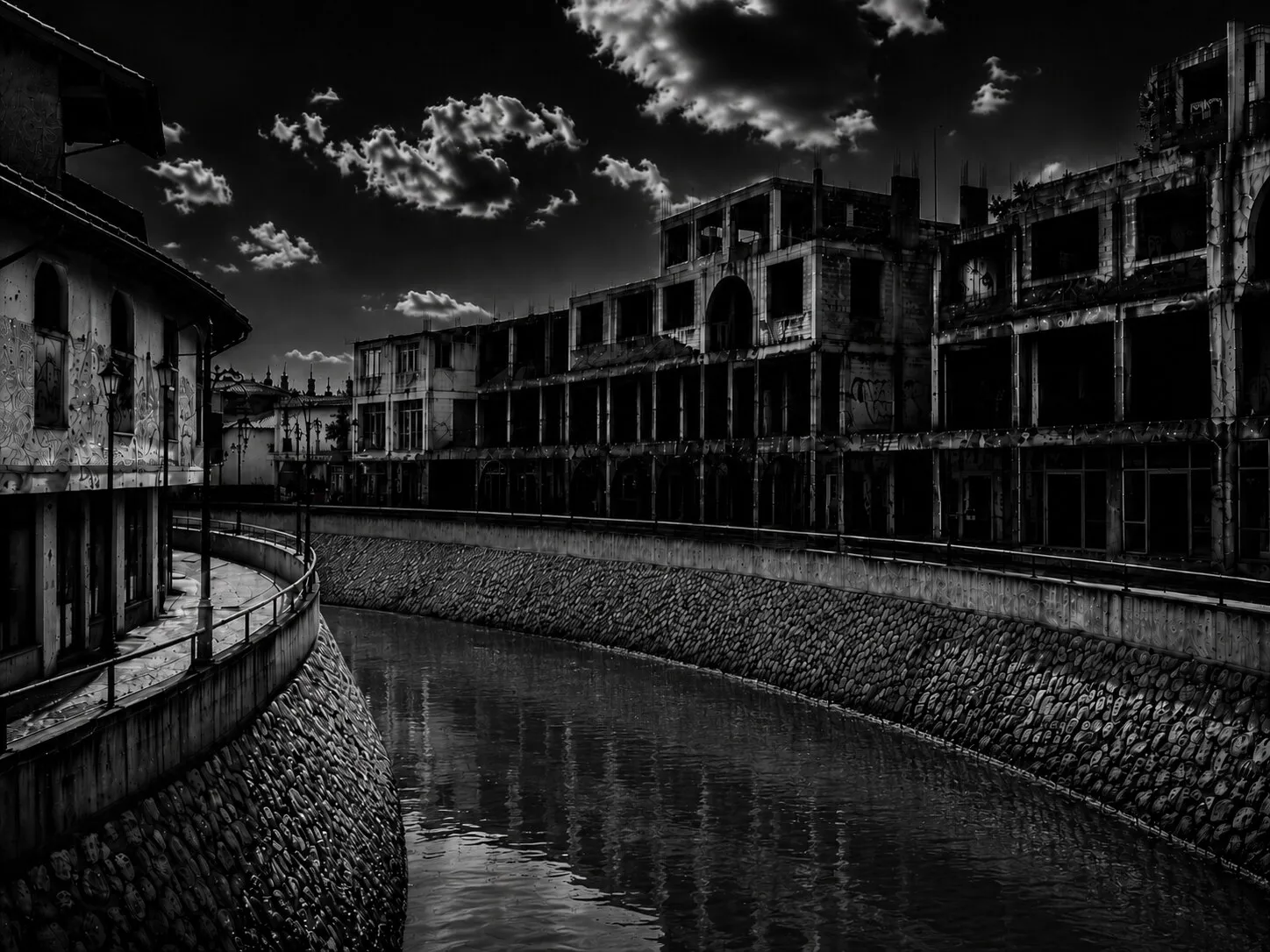
A stretch of the bazaar by the river — gutted in 1999 and still unrestored in 2026. @andreasson.photo -
2003–05
Post-war revival
The Hadum Mosque restored
In 2003 the Swedish NGO Cultural Heritage without Borders, with the Packard Humanities Institute, takes over the abandoned, war-damaged Hadum complex and restores the mosque itself to international conservation standards, finishing in 2005. The shot-off minaret, the dome, the painted portico, the windows and the walled yard are repaired, and the interior’s rare wall-paintings brought back.
It is the first piece of the old centre to be properly healed — and a quiet statement of intent. If the mosque at the head of the bazaar could be brought back true to itself, so, perhaps, could the bazaar around it.
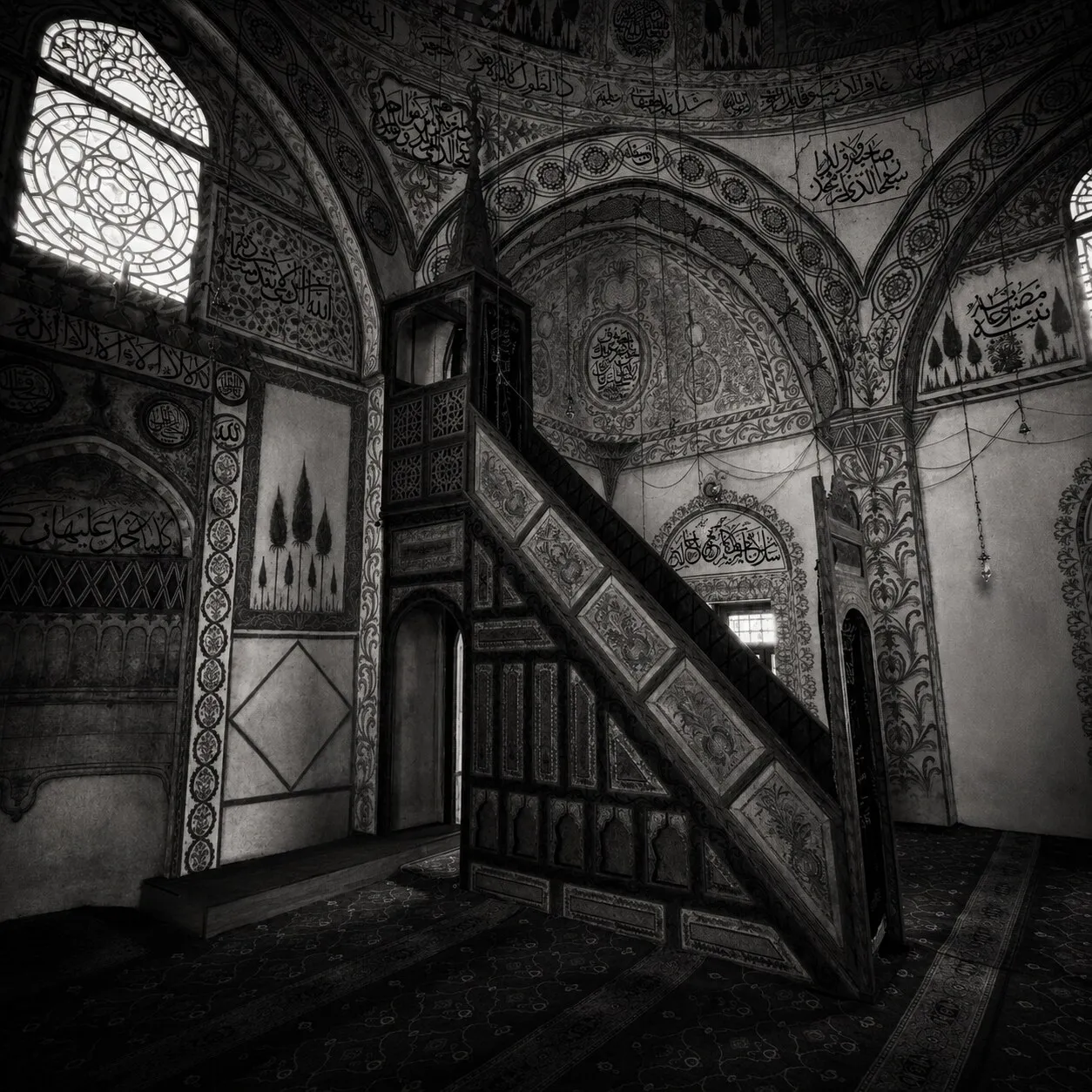
Inside the restored Hadum Mosque, its painted decoration brought back. @andreasson.photo -
2000s
Post-war revival
Çarshia reborn
Through the 2000s the Çarshia e Madhe is rebuilt — shop by shop, on its original street plan, by returning families and heritage bodies such as Cultural Heritage without Borders. The old materials of stone, timber and lead are used again; in 2009 the clock tower is raised once more on its old ground.
Conservators are honest that the speed of it shows: the new work, as one of them puts it, “looks more like a new construction.” The map was saved more faithfully than the texture. But for a city that had watched its heart burn, choosing to rebuild it exactly where it had always stood was the whole point — and the arcade is once again the place where Gjakova gathers.
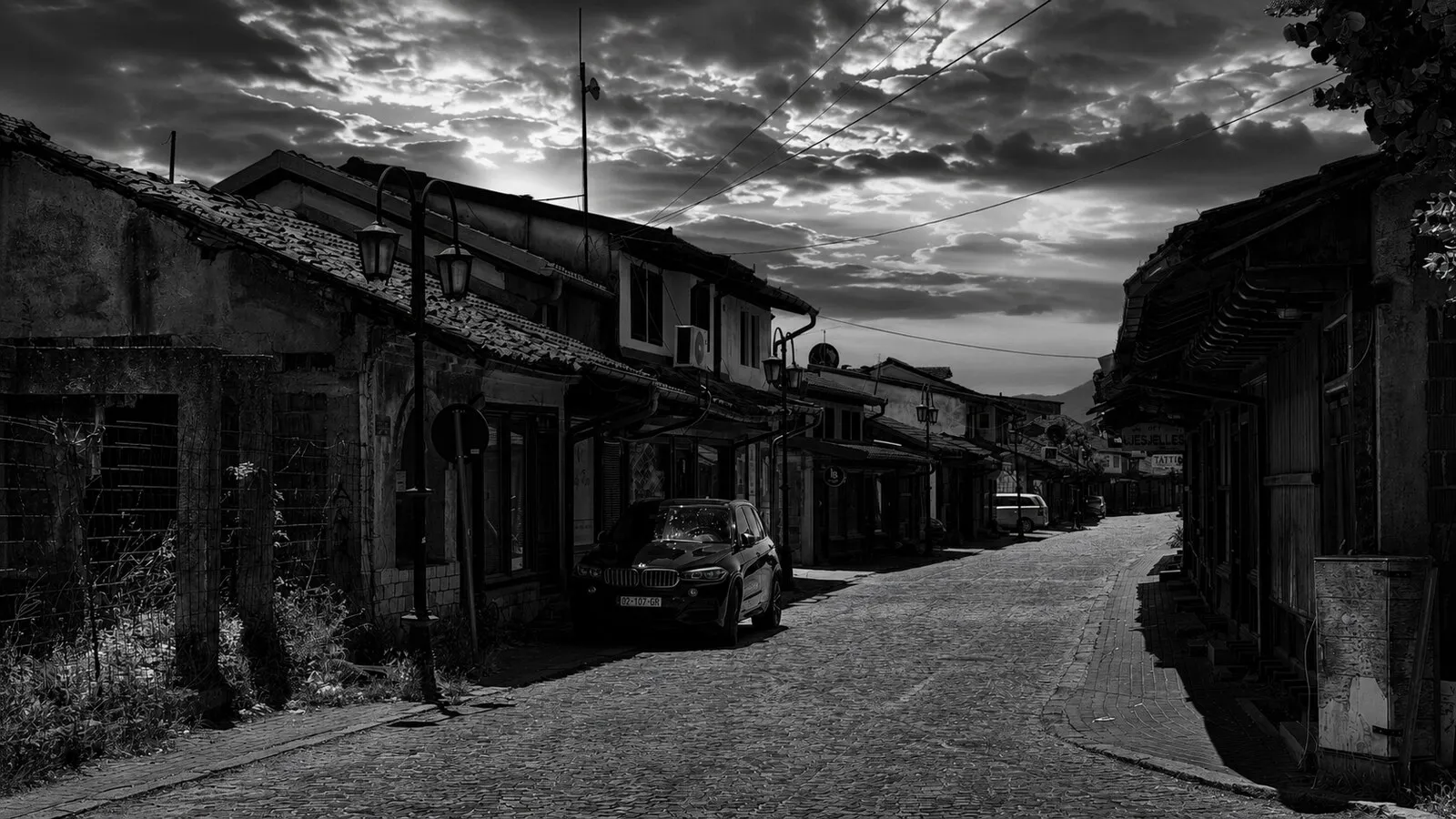
The rebuilt Çarshia, raised again shop by shop. @andreasson.photo -
2016
Post-war revival
The library returns
What was lost in 1999 could not be recovered — the manuscripts were gone for good. But the library itself returns: rebuilt to its original design by Turkey’s General Directorate of Foundations (Vakıflar Genel Müdürlüğü) and reopened in 2016, on the same ground where Hadum Sylejman Aga had endowed it in 1595. In the same years the directorate also rebuilds the small medrese and restores several of the town’s Ottoman mosques.
The books cannot come back; the place that held them can. With it, the shape of the old complex — mosque, school and library, just as one man laid it out four centuries ago — is whole again.
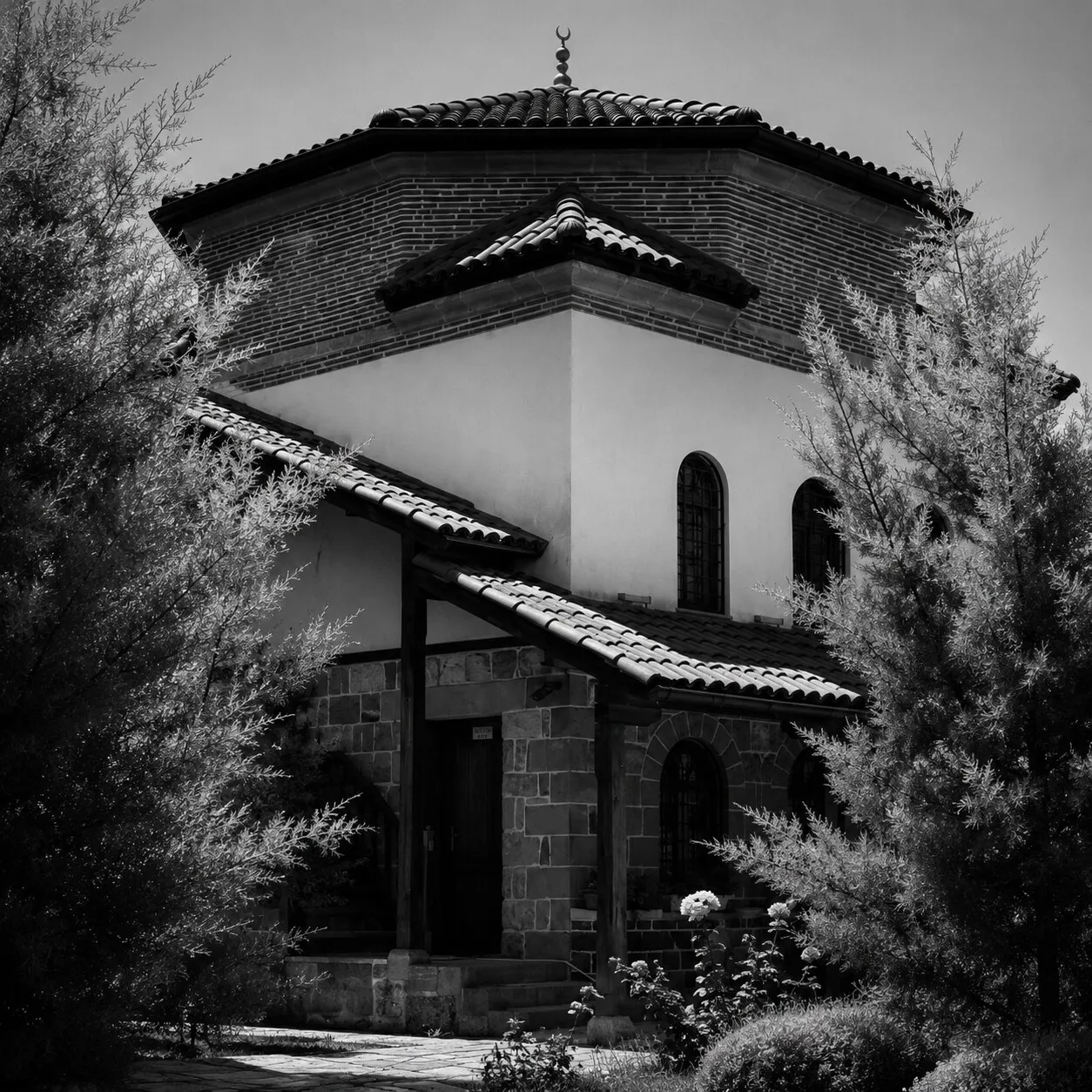
The rebuilt Hadum library beside the mosque. @andreasson.photo