The Stone Kulla
The fortified tower-house of the Dukagjin highlands — thick stone walls, a guest room at the top, and the old law of the Kanun built into its very plan.
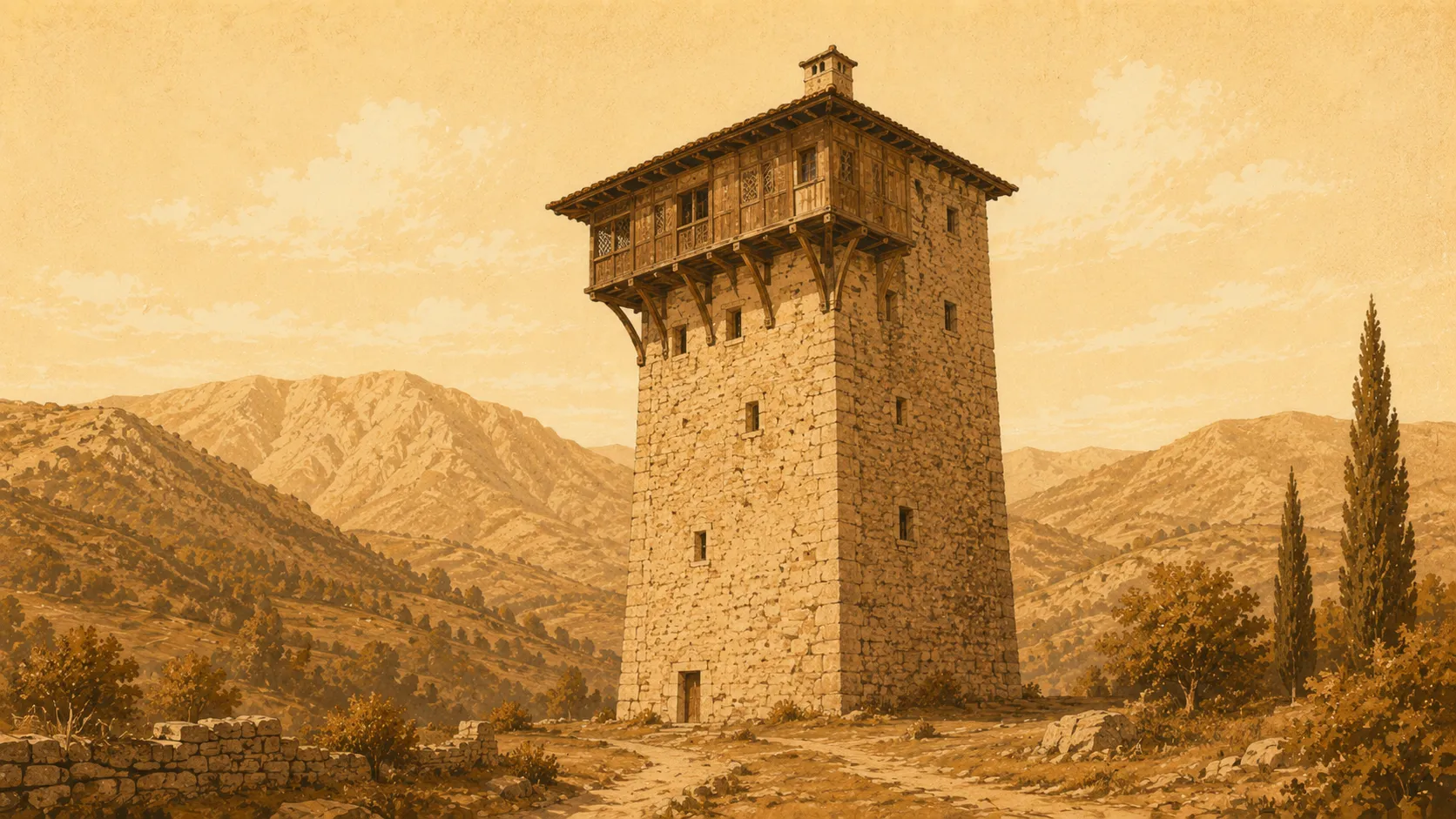
To understand the old highlands, look at how they built a house. The kulla — the word simply means “tower” — is the fortified stone dwelling of the Dukagjin plain and the mountains above it: tall, narrow, thick-walled, and arranged according to a logic that has less to do with comfort than with honour, defence, and the sacred duty owed to a guest.
A house turned upside down
A kulla is, in effect, a house built upside down. The ground floor is a barn and store for animals, often reachable only from outside. The middle floor holds the family’s living quarters. And the top floor — the best room, with the most light and the longest view — is given over to the oda, the men’s guest room, opening onto a gallery called the divanhane and reached by its own stair, so that visitors never pass through the family’s rooms. The walls are dressed stone, thick and tapering as they rise, pierced only by small high openings — frëngji — that serve at once as light-slits and loopholes. Most surviving kullas date from the eighteenth and nineteenth centuries.
”The house belongs to God and the guest”
That top-floor guest room is not mere generosity; it is law. The kulla is the architecture of the Kanun of Lekë Dukagjini, the body of customary law attributed to a fifteenth-century prince and written down only in 1933, by the Franciscan priest Shtjefën Gjeçovi, in more than a thousand articles. Two of its pillars are besa — the given word, an inviolable promise — and nderi, honour. Above them sits hospitality, in one of the Kanun’s most quoted lines:
The house of the Albanian belongs to God and the guest.
A guest who crosses the threshold passes under the host’s absolute protection, and the code devotes dozens of articles to how he must be received. The oda exists for that sentence.
The tower of confinement
The same code had a darker corollary, and the kulla answered that too. Under the rules of gjakmarrja, the blood feud, a killing obliged the victim’s family to take a life in return — though the Kanun restricted vengeance to the offender himself and forbade harming women or children, a limit often broken in practice. A man under threat could withdraw into the kulla e ngujimit, the “tower of confinement,” and stay there — sometimes for months or years — behind walls too thick to breach, fed through a slot, waiting for a truce. Those small high windows were not built for the view.
Loss and rescue
The kullas suffered terribly within living memory. More than five hundred were burned or damaged across the Dukagjin plain during the war of 1998–99. Some have since been brought back: the Swedish-founded Cultural Heritage without Borders restored a handful in the early 2000s, among them the nineteenth-century kulla of the Mazrekaj family at Dranoc, which now takes in travellers as a heritage guesthouse — the oda doing again, for strangers, exactly what it was built to do.
Where to see one
In Gjakova itself, the tower-houses of the old quarters give you the type, though the finest fortified kullas stand out in the surrounding villages of the plain. The city’s Ethnographic Museum is worth an hour — but go knowing that it is a grand town oda-house rather than a true fortified tower: a close cousin of the kulla, not quite the thing itself. For that, head out toward Dranoc and the Dukagjin villages, where the towers still keep their watch over the fields.
Gallery
Image credits
- The Koshi kulla in Gjakova.Wikimedia CommonsCC BY-SA 3.0
- A restored Dukagjin kulla at Junik.Wikimedia CommonsCC BY-SA 4.0
- Stone tower-house, Junik.Wikimedia CommonsCC BY-SA 4.0
- The Code of Lekë Dukagjini, first printed in 1933 — the customary law of the kulla world.Wikimedia CommonsPublic domain
Related places
The Grand Bazaar
16th century
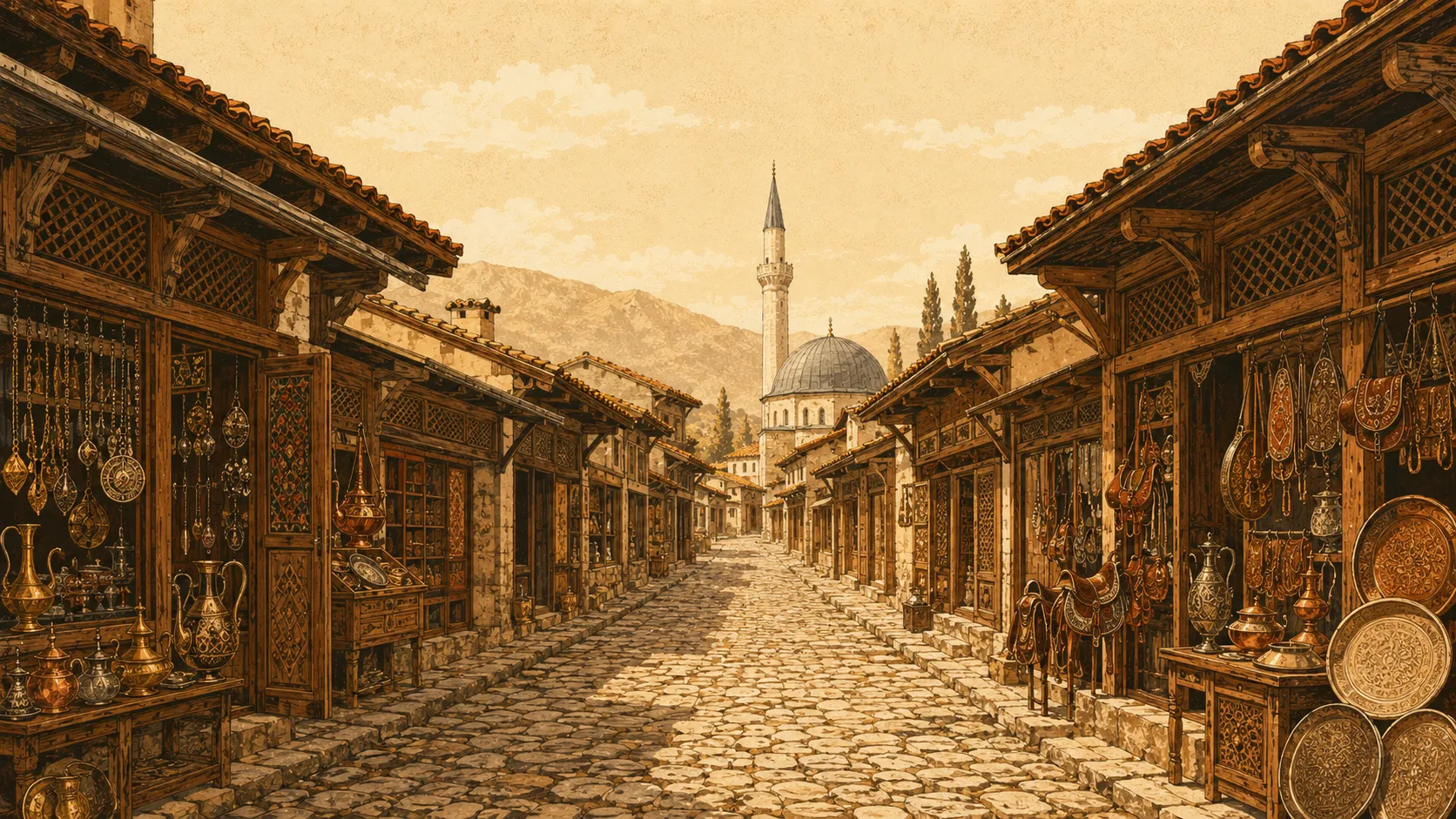
The beating heart of old Gjakova — a kilometre of cobbled lanes lined with craftsmen's shops, the oldest and longest bazaar in Kosovo, burned in 1999 and rebuilt shop by shop.
Read the guide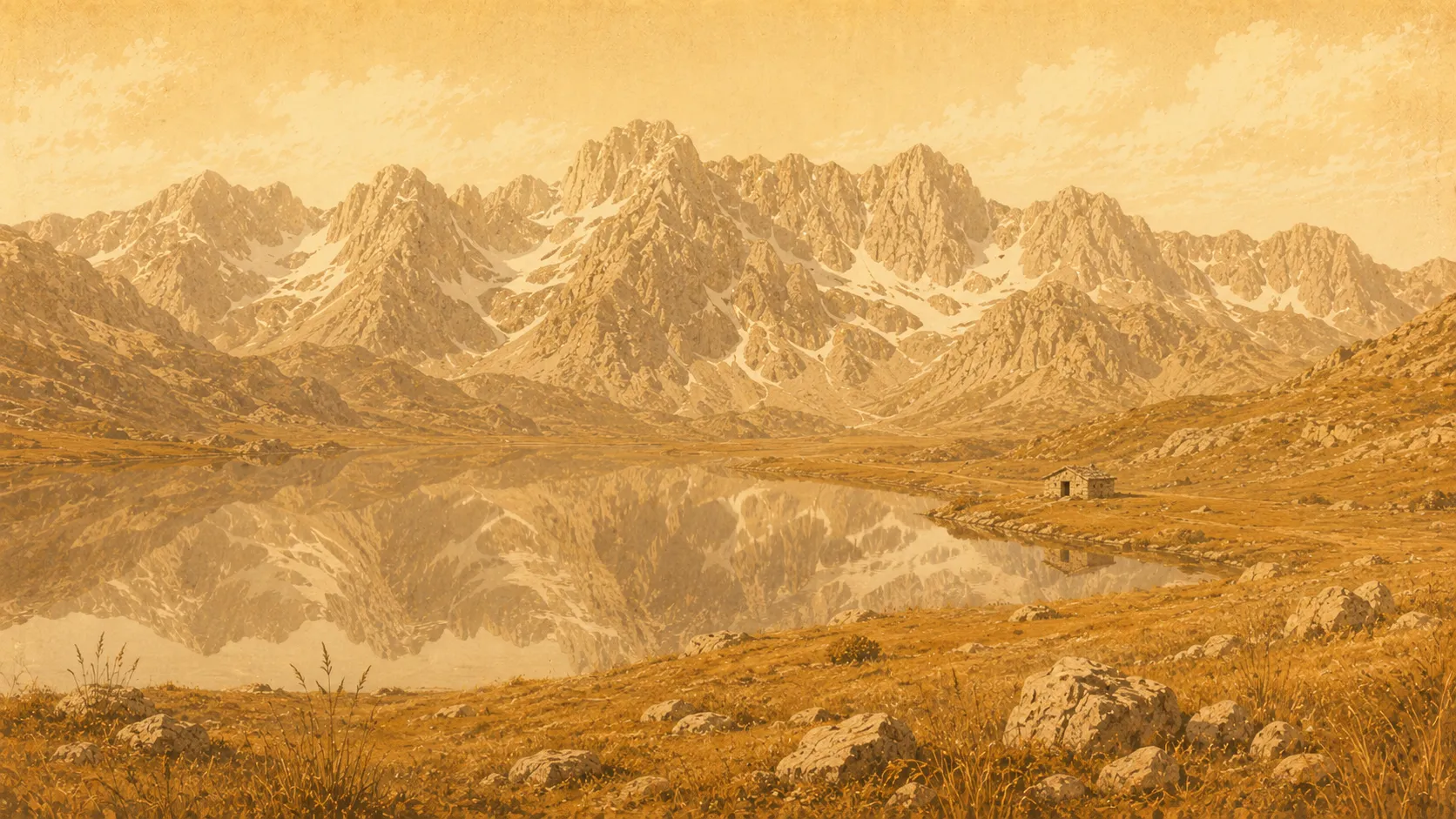
The Accursed Mountains
The alpine wall west of Gjakova — the Bjeshkët e Nemuna rising beyond the Erenik valley, with glacial lakes, high summer pastures, and Kosovo's highest peak within a day's reach.
Read the guide